
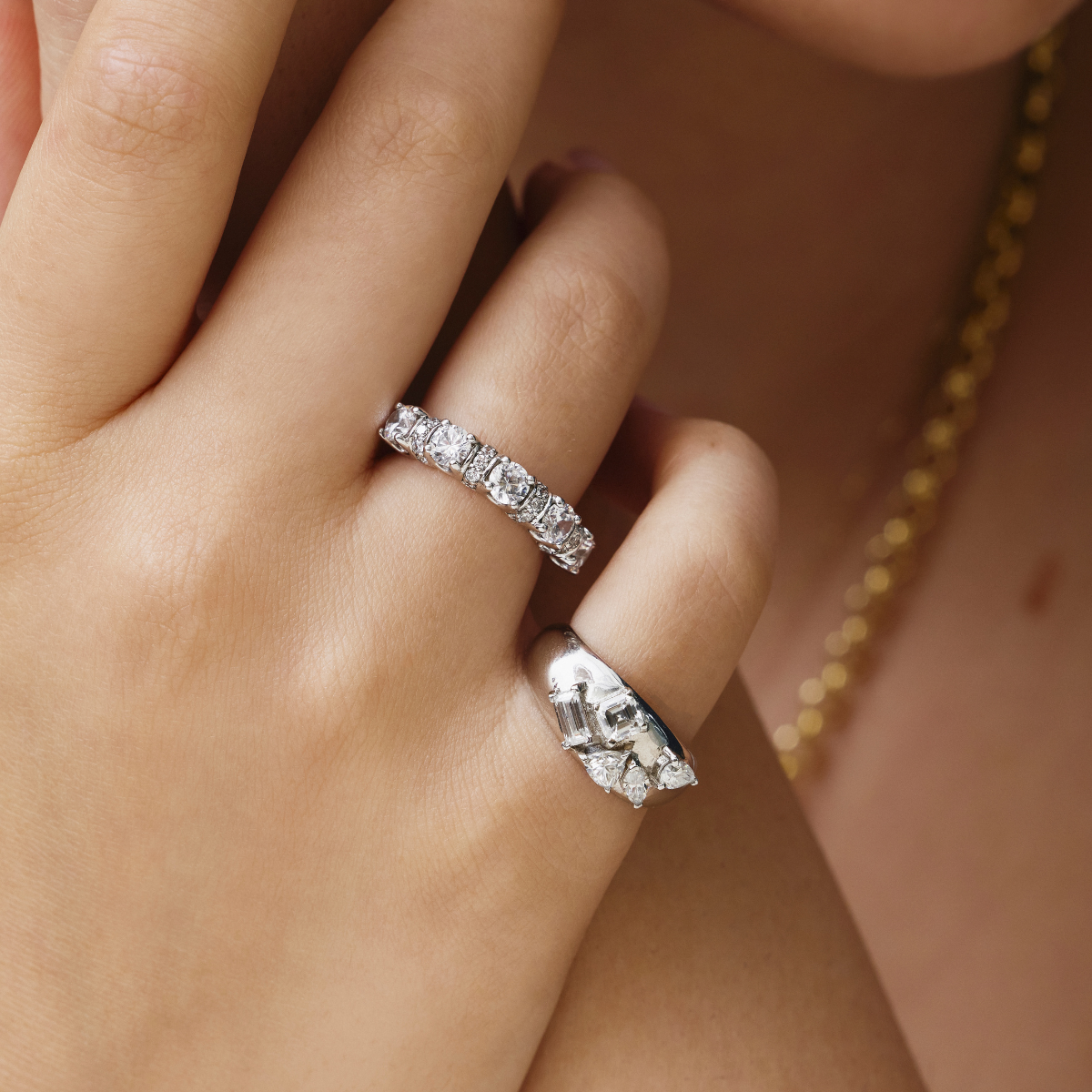
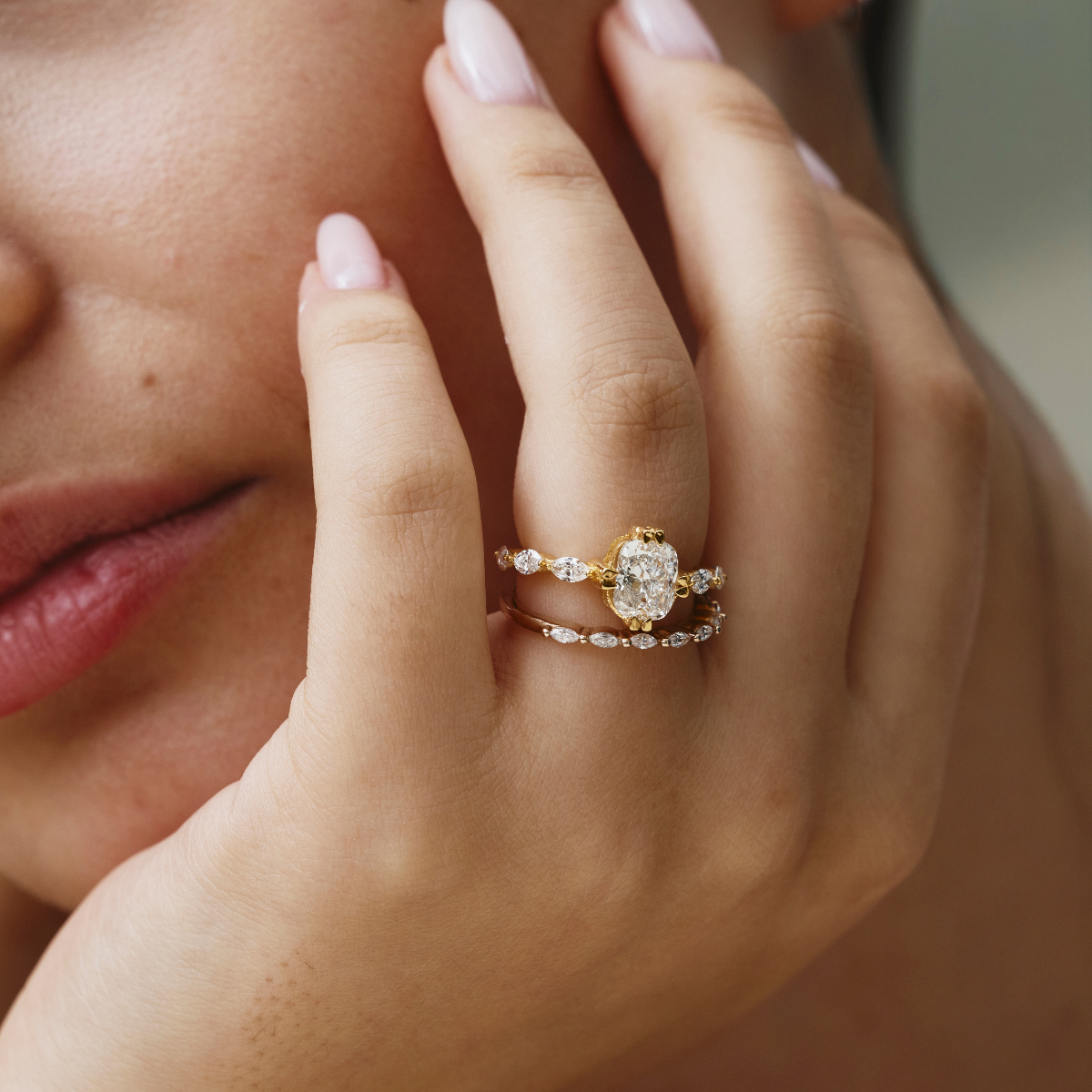
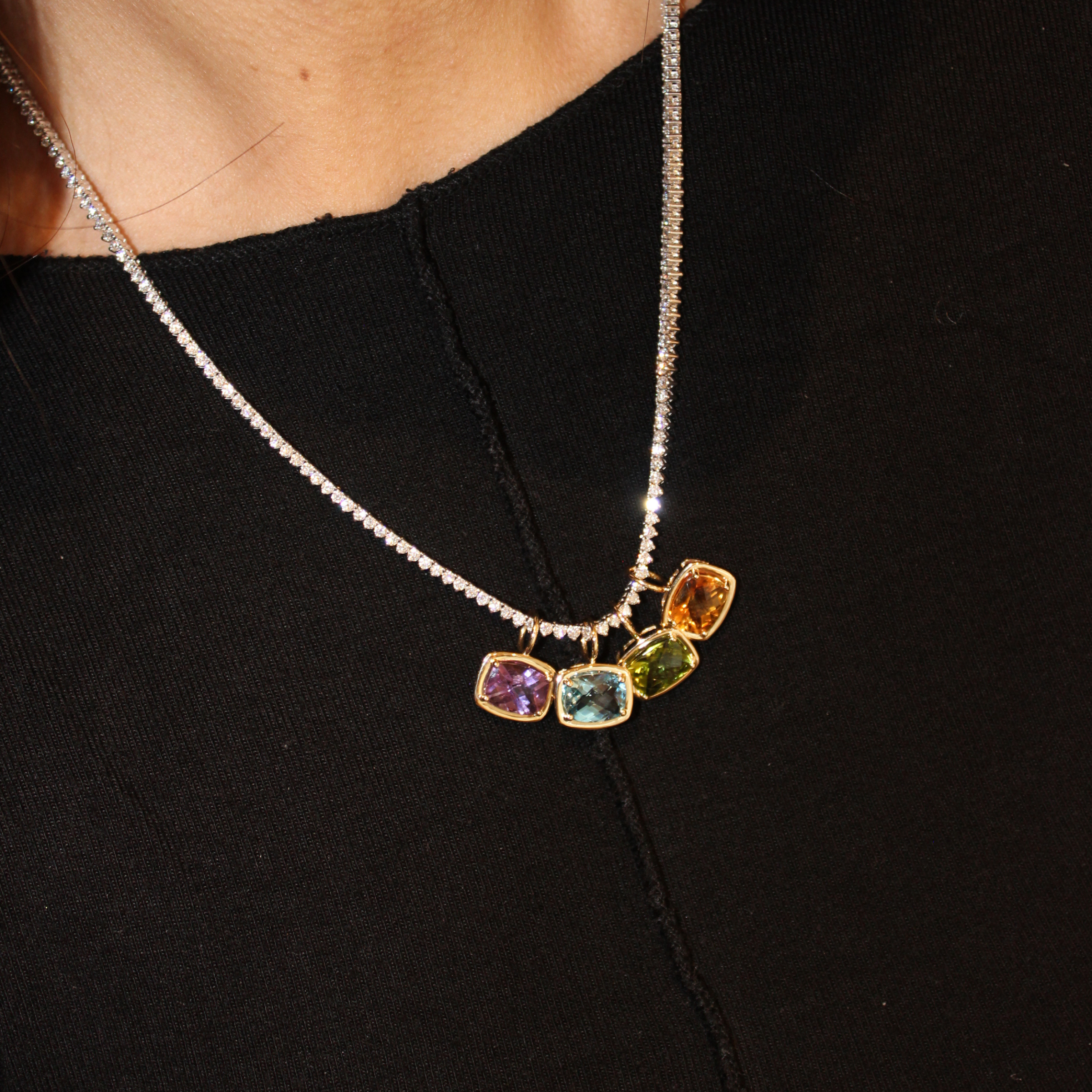
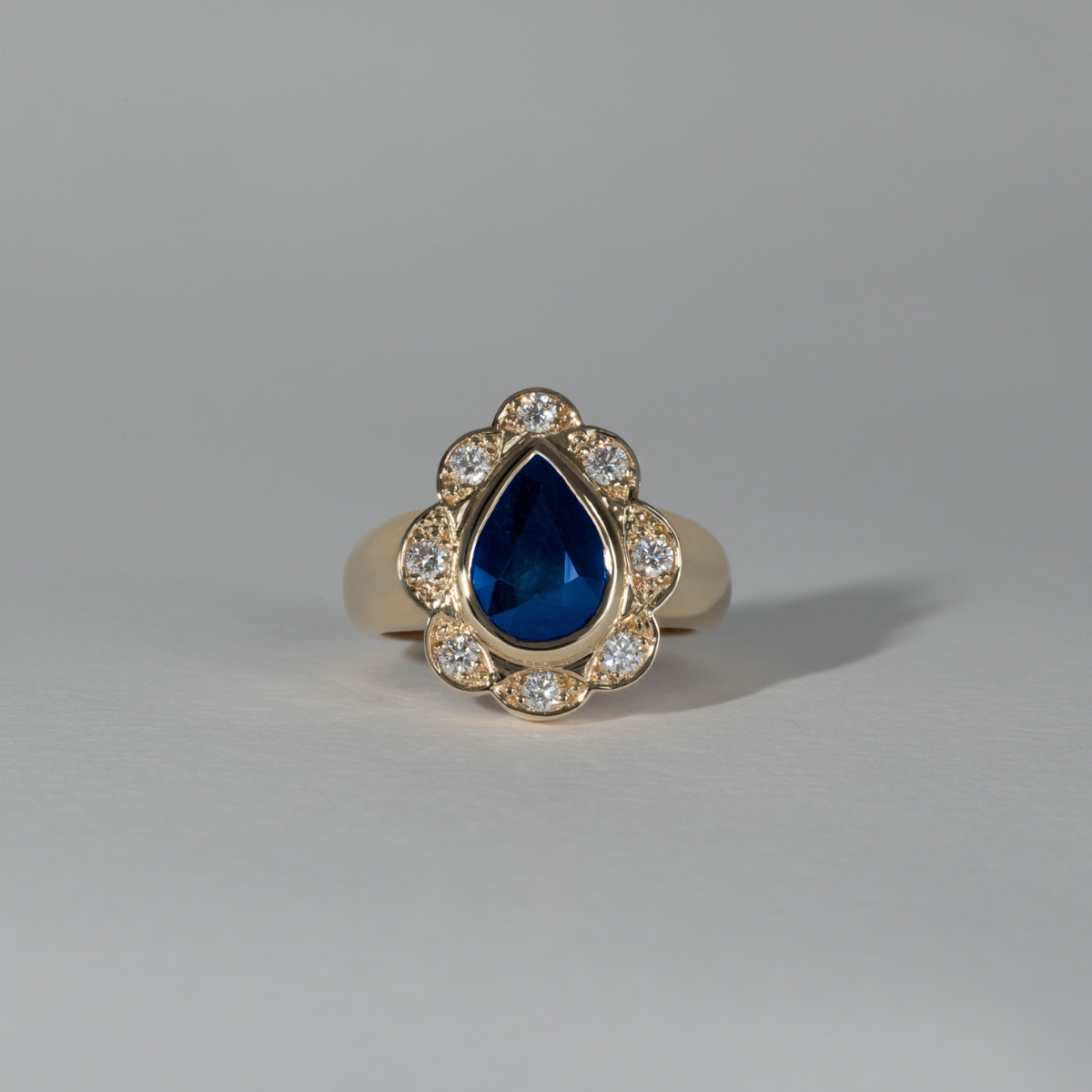

Natural Diamonds vs Lab Diamonds: an honest comparison
If you have spent any time researching engagement rings or diamonds themselves online, you’ve probably already seen reports that a lab grown diamond can cost 60% less for the stone than a natural diamond of the same size. That’s not a myth, and it’s not something we want to pretend isn’t part of the market.
What those statistics don’t tell you is why, and whether that actually matters to the piece you are about to purchase.
What’s the same? Chemically and optically a lab grown diamond and a natural diamond are both diamonds. Same crystal structure, same hardness, and same fire and brilliance when they’re cut well. A jeweller needs specialist equipment to tell them apart. The difference is in how they were formed.
What’s different? A natural diamond has formed in the earth over a billion plus years and was mined. A lab grown is created in a matter of weeks using heat and pressure, or chemical vapour deposition to replicate that same natural process artificially. One is finite, there’s a fixed ever depleting supply of natural diamonds, every diamond that is in circulation today is one that was already there. Lab grown diamonds are manufactured on demand, which is why pricing has fallen so sharply over the last several years. It’s also why most analysts expect that trend to continue as production scales further.
The bit nobody advertises…
There is something worth noting if you are comparing advertised prices. The wholesale cost of a lab grown diamond has dropped dramatically over the past few years, and is still dropping. But a lot of retail diamond ring or accessory prices you might see advertised haven’t moved nearly as much, if at all.
Sometimes that is to do with gold prices, which as we know are exceptionally high at the moment. Consider a lab grown diamond engagement ring that’s been advertised at the same $5,000 for the last three years. The diamond inside is likely costing the retailer a fraction of what it did when those prices were set. The setting - the metal, the labour, the margin - now makes up a much bigger share of the $5,000 than it used to be. The piece will look unchanged from the outside, but the value underneath has changed.
This isn’t a criticism of lab grown diamonds themselves. It’s how a lot of manufactured goods pricing works. It simply tells you less than it used to about what you’re actually getting for that stone.
This is part of why we work the way we do at the design stage. Rather than a single fixed price per setting, we talk through where you sit on colour, clarity and carat because that’s the lever that actually moves the price. A less colourless stone can bring the cost down meaningfully without changing the design or the craftsmanship that goes into it. You’re not locked into one number before you’ve even discussed what matters most to you.
Regulators are drawing a harder line.
The distinction between natural diamonds and lab grown diamonds has recently become a matter of law, not just industry preference. Russia, the world’s largest natural diamond producer by volume, has introduced new regulations in 2026 requiring retailers to clearly label synthetic stones as ‘synthetic’ on all tags and product descriptions, and has banned the word “diamond” and any of its derivatives from being used to describe lab grown material at all. Quality and colour terms normally associated with natural stone are off limits for synthetic ones as well.
Whatever you make of the politics around it, the logic is quite simple - as lab grown supplies have scaled, and it has become harder to visually distinguish from natural stones, regulators have stepped in to make sure buyers know exactly what they’re being sold. It’s a sign of where the industry is likely heading more broadly.
Why we work exclusively with natural diamonds.
Cassandra Mamone has worked only with natural diamonds since the brand began. That has been a deliberate choice, and continues to be and it comes down to a few things that matter greatly to Cassandra, and to the clients who come to her for bespoke pieces.
Rarity is part of the story. A piece you're going to wear for the rest of your life, that might become an heirloom or that marks a specific moment. For many of our clients, knowing the stone is genuinely one of a kind, that they selected specifically and was formed over geological time, is part of what makes it meaningful. That's a personal value judgement, not a fact we're asserting as universally true.
Bespoke is about more than the stone. Every piece we make is designed around you, hand-sourced, hand-set, and worked through in a private consultation rather than picked off a shelf. The diamond is one part of a much larger process, and that process is the same amount of work and craftsmanship whether the stone in front of us is natural or lab-grown. It's also the real reason our pricing isn't directly comparable to buying a loose stone online: you're not just paying for carbon, you're paying for a design made specifically for you.
Long-term value behaves differently. Lab-grown diamond prices have fallen consistently year over year as manufacturing has scaled, and most signs point to that continuing. Natural diamond prices have historically been far more stable over time. To be clear: we don't sell diamonds as an investment, and neither natural nor lab-grown diamonds reliably appreciate, diamonds are not the share market. But if value retention over decades matters to you at all, it's worth knowing which way each market has actually moved, rather than assuming they behave in the same way.
On antique cuts.
There's one area where the natural-vs-lab conversation gets more interesting, and it’s something to consider if you are drawn to a vintage aesthetic. With remodelling being one of Cassandra’s signature services, it’s also something that is very close to our hearts. Genuinely antique diamonds carry something lab grown stones can’t replicate, no matter how advanced the technology gets.
Cuts like the old mine, think Taylor Swift’s engagement ring, common in Georgian, Victorian and early Art Deco jewellery were cut entirely by hand, facet by facet before precision tools existed. That history shows up in the stone itself, slightly irregular facets, a higher crown and a softer, warmer glow rather than a sharp, uniform sparkle.
Lab-grown diamonds can absolutely be cut to mimic these antique proportions,and some labs do exactly that, marketing them as "vintage-inspired" or "old mine style." But proportions are not the same thing as provenance. A modern stone cut by machine to old-style measurements won't have the genuine hand-cut irregularity, the accumulated wear, or the cutting-era characteristics that make an authentic antique diamond what it is. It's a new diamond designed to look old, which can be a lovely look in its own right, but it's a different thing entirely from a stone that's actually carried that history.
If part of what draws you to a piece is the idea that the stone itself has existed for 150-plus years and was shaped by a hand that's long gone, that's something only a genuine antique natural diamond can offer. It’s for this reason, along with the sentimental nature of stones, that our remodelling clients choose to keep and reset a family stone.
If budget is your main driver.
We are well aware that a lab grown stone may get you the size you want within your budget, and that’s a completely legitimate choice that a growing number of people are making. We don't carry lab-grown diamonds ourselves, simply because natural stones are the foundation of what we do.
What we'd ask you to actually weigh up isn't "which diamond is objectively better," it's "what am I paying for, and does that matter to me." With us, you're not buying a stone off a shelf. You're commissioning a piece, designed around your story, by someone who has spent 20 years doing this. That's where the value sits, regardless of which way you land on the diamond question.
Still deciding?
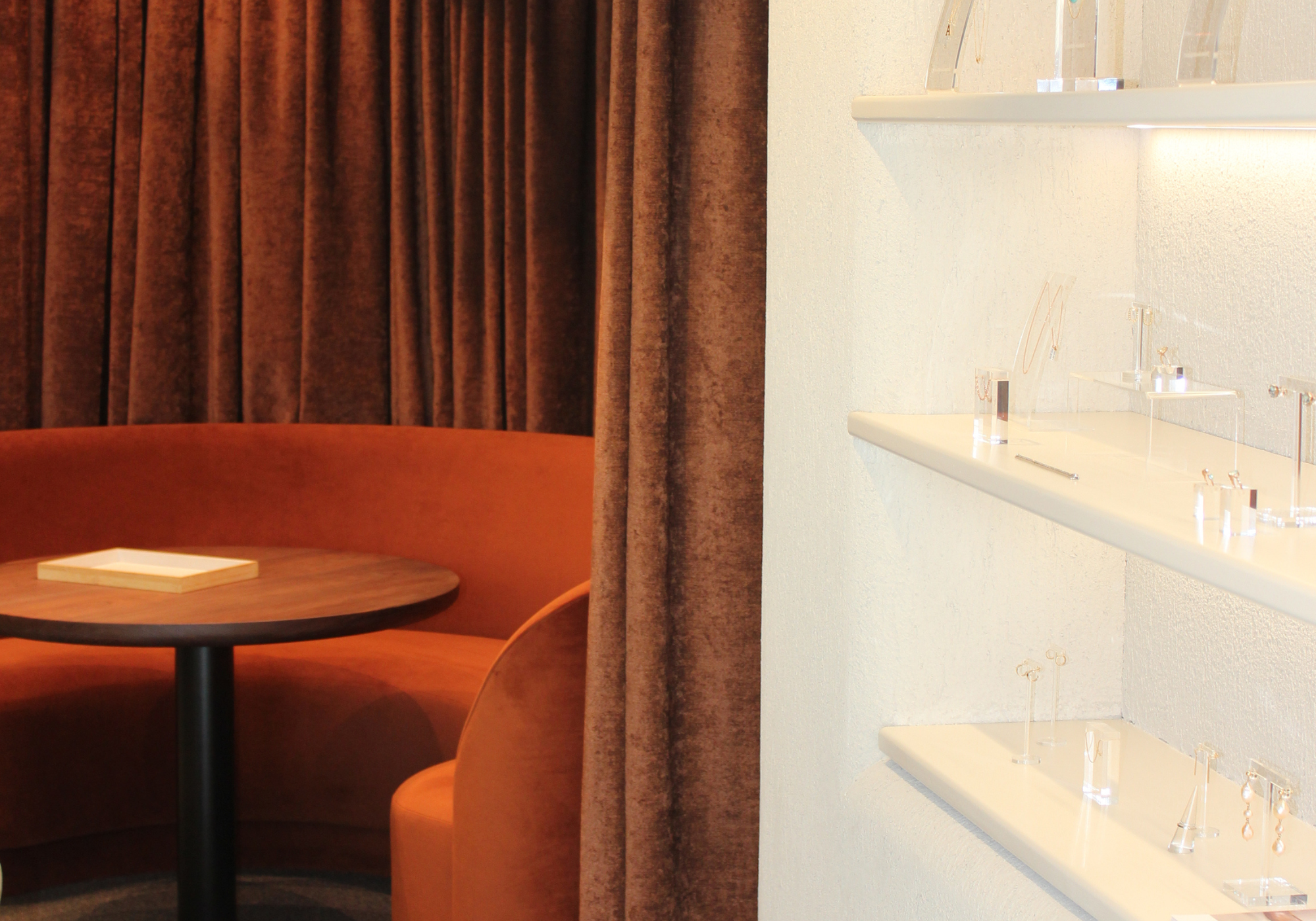
Book a private consultation at our North Adelaide Atelier and talk it through directly with no pressure and no obligation. We can show you real stones, talk through pricing, and help you figure out what's realistic for your budget before you commit to anything.

Leave a comment
This site is protected by hCaptcha and the hCaptcha Privacy Policy and Terms of Service apply.